Choosing Indoor Planters: Materials, Methods, and Practical Trade-offs
Problem
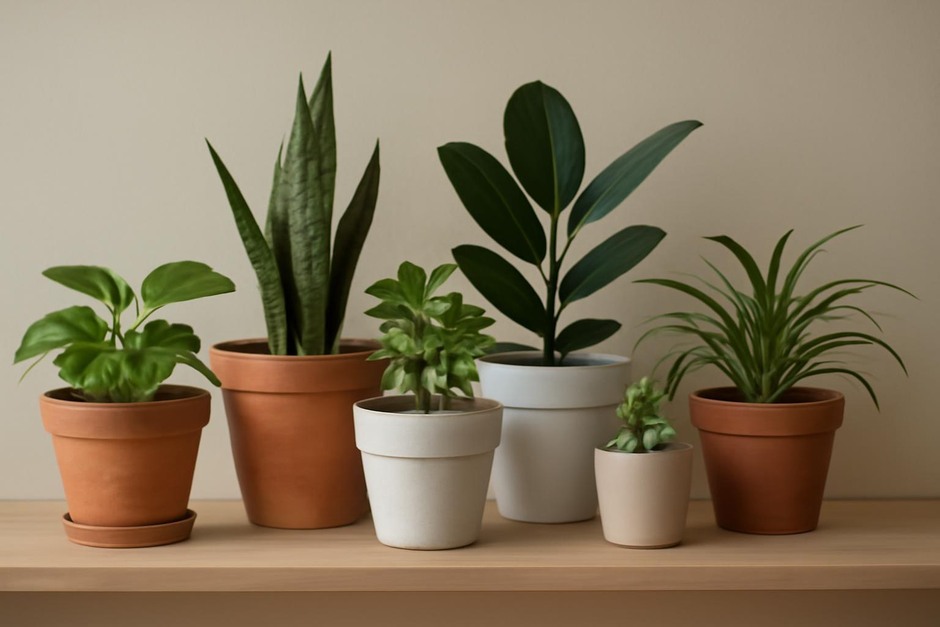
Choosing the right indoor planter often feels like balancing competing needs: plant health, room appearance, ease of care, weight and environmental impact. A pot that looks perfect on a windowsill may dry out too quickly; a durable concrete planter may be heavy to move; a cheap plastic pot may retain moisture but feel less attractive. Understanding the material properties and simple methods to adapt them helps you pick pots that fit both the plants and your routine.
Principles
When evaluating planter materials and methods, consider these practical principles:
- Drainage and aeration: How easily does excess water escape and how much air reaches the roots? Poor drainage increases risk of root rot; excessive drainage can mean the soil dries out too quickly.
- Moisture retention: Materials like plastic retain more moisture, while porous materials such as unglazed terracotta allow water to evaporate through the walls.
- Weight and handling: Heavy plans are stable and insulating but harder to rearrange; lightweight pots are easier to move but may topple if top-heavy.
- Thermal behavior: Materials differ in how they buffer temperature swings. Thick ceramic and concrete insulate roots better than thin plastic.
- Sustainability and longevity: Consider embodied energy, recyclability and expected lifetime. Durable materials reduce replacements but may have higher initial environmental cost.
- Compatibility with potting methods: Some materials work better with liners, double-potting, or saucers; others need modification (e.g., adding drainage holes).
Examples (Materials and Methods)
Terracotta (unglazed clay)
- Pros: Highly breathable, good for plants that prefer drier soil between waterings (succulents, cacti). Aesthetic: warm, natural look.
- Cons: Porous walls cause faster moisture loss; can crack in freezing conditions; heavier than plastic. Needs saucer to protect surfaces.
- Method tip: To reduce moisture loss, use a glazed terracotta or line the pot with a thin plastic liner while keeping drainage holes clear.
Glazed Ceramic
- Pros: Attractive finish, retains moisture better than unglazed clay, available in many shapes and colors.
- Cons: Often heavier; glaze can hide cracks; fewer pots have drainage holes by default.
- Method tip: For glazed pots without holes, either double-pot (place a planted nursery pot inside) or add a layer of coarse material at the bottom and monitor moisture carefully.
Plastic
- Pros: Lightweight, inexpensive, widely available, retains moisture well. Good for large plants and hanging pots.
- Cons: Less breathable, can lead to overwatering if drainage is inadequate; lower perceived quality; environmental concerns unless recycled plastic.
- Method tip: Use high-quality rigid plastic with drainage holes and pair with saucers. Choose dark or insulated plastic for plants sensitive to cold drafts.
Fiberglass and Resin
- Pros: Durable, lightweight, weather-resistant and can mimic ceramic or concrete finishes.
- Cons: More expensive; some resins are not recyclable.
- Method tip: These are good for large decorative pots where weight is a concern. Ensure UV-stable finishes if placed in bright sun.
Concrete and Stone
- Pros: Very stable and insulating, suits large specimens and modern aesthetics.
- Cons: Very heavy, can be overkill for small plants; can leach lime affecting sensitive species.
- Method tip: Use for floor-level plants. If weight matters, look for thin-walled concrete or faux concrete resin alternatives.
Metal
- Pros: Sleek look, very durable.
- Cons: Metals conduct heat and cold, can corrode unless treated, and may be reactive with soil acidity.
- Method tip: Line metal pots with plastic or use them as cachepots (double-pot) to prevent soil contact and corrosion.
Wood
- Pros: Warm, natural appearance, good insulation.
- Cons: Rot unless treated, tends to be heavier, and needs maintenance.
- Method tip: Use rot-resistant woods (cedar, teak) or treat interiors with non-toxic sealant. Elevate on feet to reduce moisture contact with floors.
Fabric Grow Bags
- Pros: Excellent drainage and root pruning, lightweight and inexpensive.
- Cons: Less decorative, need a tray and can dry out quickly in hot indoor spots.
- Method tip: Use for veggies, herbs or temporary cultivation; place on a tray to protect surfaces.
Concise Practice Checklist
- Identify plant needs: Does the species prefer consistently moist soil, or drier conditions between waterings?
- Match material to moisture habits: Choose porous pots (terracotta, wood) for plants needing drier roots; non-porous (glazed ceramic, plastic) for moisture-loving plants.
- Check drainage: Always prefer a pot with a drainage hole or plan to double-pot/double-line to prevent waterlogging.
- Consider weight and placement: Use lighter materials for shelves and higher spots; heavier materials for floor plants or windy terraces.
- Protect surfaces: Use saucers or trays with any pot that allows drainage; add felt pads under heavy pots to protect floors.
- Adapt with methods: Line metal or decorative pots with plastic, use coarse bottom layers sparingly, and monitor moisture with a finger test or moisture meter.
- Plan for longevity and waste: Repair and repurpose old pots where possible; choose durable options for long-term plantings.
Choosing an indoor planter is a practical exercise in trade-offs. Matching material properties to a plant’s water and root needs, plus simple methods like double-potting or using liners, reduces risk and helps your plants thrive while keeping your home functional and attractive.